How To Address Family Heirlooms in Your Estate Plan

Family heirlooms often mean far more than their dollar value suggests. A wedding ring, military medal, antique clock, or handwritten recipe book can carry decades of memories and connection. Knowing how to address family heirlooms in your estate plan helps ensure those meaningful items end up with the right person and don’t unintentionally cause tension. With thoughtful planning, you can protect both your legacy and your family relationships.
Without clear direction, even close families can struggle during probate. A little clarity now can spare your loved ones from difficult conversations later.
Why Family Heirlooms Deserve Special Attention
Heirlooms frequently spark disagreement—not because of money, but because of emotion. Two siblings may both feel deeply attached to the same item. If your estate plan doesn’t address these items, Washington law will not weigh sentimental value when distributing property.
During probate, personal belongings are typically treated like any other asset. If you leave no specific instructions, items may fall into the remainder of your estate and be divided equally or even sold. That result may be very different from what you envisioned.
Spelling out your wishes removes uncertainty. Clear direction allows your family to focus on honoring your memory instead of negotiating over keepsakes.
Create a Clear Inventory
Before you decide who receives what, take stock of what you actually own. Many families underestimate how many personal items could become meaningful later.
Create a written inventory that includes:
A clear description of each item
Its current location
Any meaningful background or history
An estimated value, if appropriate
A photograph for identification
Photos can eliminate confusion. A phrase like “Grandmother’s necklace” may not be specific enough if there are multiple pieces of jewelry with similar stories.
Keep this list with your estate planning documents and revisit it from time to time. Updating your inventory ensures your instructions stay accurate as life changes.
Leave Heirlooms Through a Will
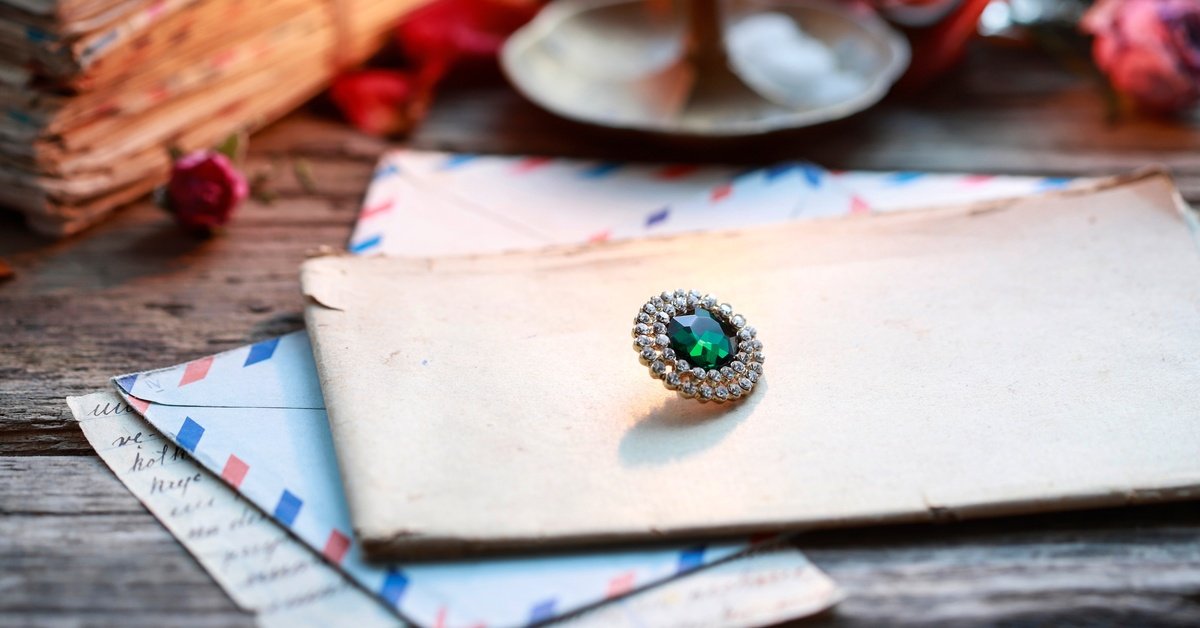
A will is often the simplest way to direct the distribution of personal property. You can list specific items and clearly name who should receive each one.
Precision matters. Vague wording, such as leaving “my jewelry” to one person, can create confusion about which pieces are included. When language is unclear, the executor may need to seek clarification from the court, which can delay probate and increase administrative costs.
If an heirloom is not specifically mentioned, it may become part of the residuary estate and be divided along with other remaining assets during probate. The residuary estate generally includes everything not specifically gifted, which means treasured items could be lumped in with ordinary household property.
If two heirs disagree about how a clause should be interpreted, the dispute may need to be resolved through formal probate proceedings. That process can strain relationships and slow the administration of the estate.
Some estate plans refer to a personal property memorandum. This separate document can allow you to adjust who receives certain items without rewriting your entire will. In Washington, however, it must meet specific legal requirements to be valid, so careful drafting is important.
Use a Trust for Added Flexibility
For families with more complex needs, a revocable living trust can provide additional control. A trust allows you to transfer ownership of assets during your lifetime and establish detailed instructions for what happens after your death.
Heirlooms can be distributed according to the trust’s terms. In some cases, properly funded trusts may also help avoid probate, depending on how assets are titled and managed.
Trust planning is often helpful for blended families. You may want certain heirlooms to stay within your biological family while still providing for a surviving spouse. Clear, customized provisions can help you strike that balance.
Reduce Conflicts Among Family Members
Strong legal documents are essential, but communication can make just as much difference. Surprises tend to create hurt feelings.
Disagreements over sentimental items often carry more emotional weight than financial disputes. When instructions are unclear, executors can find themselves caught between family members with competing expectations. Clear planning reduces that pressure and helps keep administration on track.
If possible, consider discussing heirloom decisions with your family while you can explain your reasoning. Even a brief conversation can reduce misunderstandings later.
You might also consider practical strategies, such as:
Rotating item selection among children
Inviting family members to share preferences in writing
Leaving written notes explaining the meaning of certain pieces
Adjusting other inheritances when values differ
Fair does not always mean equal. Thoughtful planning helps your loved ones see the care behind your decisions.
Address Blended Family Considerations
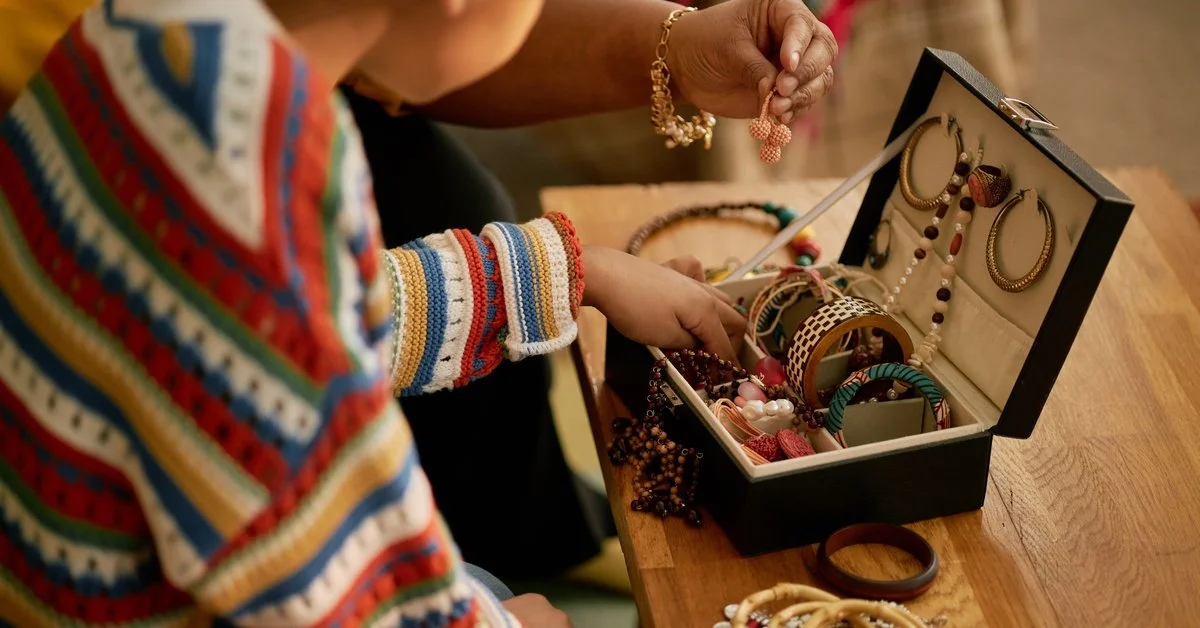
Blended families add another layer of complexity. A surviving spouse may assume certain heirlooms belong to them, while children from a prior relationship may feel those items should remain in their side of the family.
Washington’s community property rules can also influence ownership. Community property generally includes assets acquired during marriage, and each spouse has rights to their share. If heirlooms become mixed with marital property, the situation can become complicated.
Trust-based planning often offers clearer direction in these cases. Detailed instructions reduce the risk of confusion and help protect everyone’s interests.
Account for High-Value Heirlooms
Some heirlooms, such as artwork, collectibles, or fine jewelry, carry significant financial value along with sentimental meaning. In those situations, a professional appraisal may be appropriate.
An appraisal establishes fair market value and can help you distribute assets more equitably. It may also support proper tax reporting, if required.
If one heir receives a higher-value item, you can offset that difference with other assets. Coordinating these decisions within your estate plan promotes fairness and transparency.
Review and Update Your Plan Over Time
Estate planning is not a one-time task. Marriage, divorce, new grandchildren, or relocation can all change how you want heirlooms handled.
Review your documents every few years or after a significant life event. Confirm that named beneficiaries are still appropriate and that your inventory reflects what you actually own.
As your life evolves, so should your plan. Addressing family heirlooms in your estate plan is an ongoing process, not a one-time decision.
Protecting What Matters Most
Family heirlooms hold stories, traditions, and shared history. Taking time to plan for their distribution protects more than personal property—it protects relationships. Clear, legally sound instructions can prevent unnecessary tension and give your loved ones clarity during an emotional time.
If you want experienced, transparent support as you organize your estate, working with a probate attorney in Vancouver, WA, can provide peace of mind. Vancouver Wills & Trusts offers flat-fee, customizable estate planning services designed to help you plan with confidence. Schedule a consultation today to secure your future and ensure your legacy is handled with care.