Key Responsibilities and Duties of an Executor of a Will
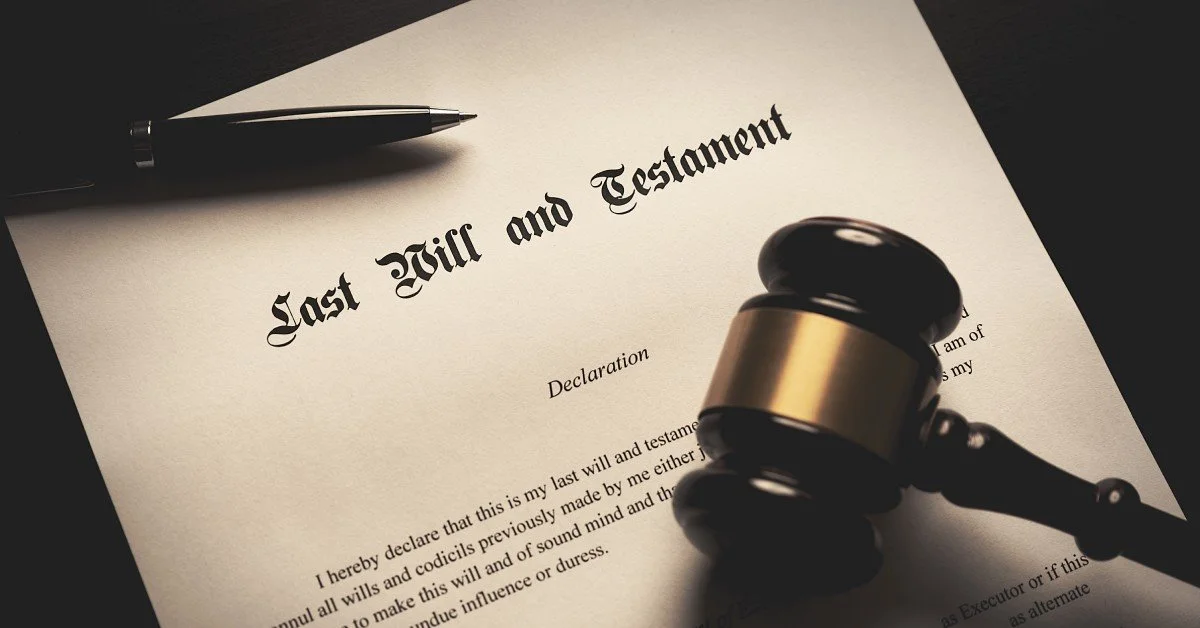
When someone you care about asks you to serve as their executor, they’re placing deep trust in you. It’s an honor, no doubt, but it comes with a real sense of responsibility. You become the person who handles their last business, protects their assets, and makes sure their wishes matter when it counts most.
Plenty of people step up without realizing what’s truly involved. The job can include stacks of paperwork, strict timelines, and sometimes even tension within the family. If you have a clear sense of the key responsibilities and duties of an executor of a will, you’ll move through the process more confidently. Here’s what you need to know to manage an estate effectively and with compassion.
Locate the Original Will and Review Its Contents
Your first step is to find the original, signed copy of the will. Courts almost always require the original document, not a copy. Check places like the deceased’s safe, filing cabinets, or even a safety deposit box. Sometimes, the lawyer who drafted the will stores the original.
Once you have the document, read it carefully. Watch for immediate instructions about funeral wishes or cremation. The will also spells out who receives which assets. Getting a clear grasp on the details up front can prevent confusion and help you answer questions from eager family members.
File the Will With the Probate Court
You can’t begin distributing assets before proving your legal authority. You need to file the will and request probate in the local county court. Once approved, the court issues “Letters Testamentary,” which give you formal power to act for the estate.
These documents work as your legal credentials. Financial institutions, government agencies, and other parties will need to see them before talking to you about the deceased’s accounts or holdings.

Notify Key Agencies and Financial Contacts
After a death, you’ll need to alert several organizations right away. Social Security, for example, should be informed promptly so benefits don’t continue in error. The post office should redirect the deceased’s mail to your address, helping you spot ongoing bills or important notifications.
Expect to reach out to:
Banks and credit unions
Credit card companies
Life insurance providers
The Social Security Administration
Pension plan administrators
Utility companies
The Department of Motor Vehicles (to cancel licenses)
Prompt communication avoids headaches and protects both the estate and beneficiaries.
Create a Complete Inventory of Assets and Debts
As executor, you need a clear picture of what the deceased owned and owed. That means combing through properties, vehicle titles, bank records, investment accounts, and digital assets. Cryptocurrency, websites, and online accounts might all have value.
Your inventory matters for two reasons: it’s essential for tax filings and ensures nothing is left out for heirs or creditors. Keep organized, detailed records from the start, and update your lists as you discover new accounts or obligations.
Protect and Maintain the Estate’s Property
Assets require care. Homes need utility bills paid and maintenance handled. If there’s a car, make sure it’s secure and insured.
You also have a duty to maintain or safeguard the value of items like jewelry, art, or collectibles. The court and beneficiaries count on you to keep assets safe and intact until it’s time to divide them.
Open a Dedicated Estate Bank Account
Don’t mix the estate’s funds with your own. As executor, you must open a separate bank account using the estate’s name and your letters from the court. Every bit of money that comes in goes here, from paychecks to insurance payouts to refunds. All legitimate expenses come out of this account.
This tidy, transparent approach not only lets you track everything easily but also makes the court’s review straightforward.
Pay Off Debts and Final Expenses
Before distributing anything to heirs, handle all legitimate debts and expenses. That includes funeral costs, court fees, and valid bills. You need to notify creditors in writing and give them time to submit claims, as required by state law.
If the estate doesn’t have enough to cover everyone, there’s a state-mandated pecking order. Funeral costs and administrative fees come first. Lower-priority debts like credit cards or personal loans wait until higher-priority bills have been settled.
File Required Tax Returns
You’ll be responsible for making sure all final tax matters are settled. File the deceased’s last personal tax return up to the date of death. If the estate earns significant income during probate, file a return for the estate too.
Federal estate taxes only affect larger estates, but some states have different thresholds. If you pay heirs before settling tax obligations, you could end up personally on the hook—another reason to keep taxes at the top of your to-do list.
Handle Legal Disputes and Family Issues
Most estates settle smoothly, but sometimes conflicts happen. Maybe a family member challenges the will or a creditor files suit. If you face these hurdles, legal support makes a difference.
Consulting with a will and trust lawyer provides critical insight into thorny situations and keeps you compliant with local laws. That help can prevent costly mistakes, especially when emotions run high or assets are particularly valuable.

Distribute Inheritances to Beneficiaries
Only start handing out inheritances once you’ve settled debts, paid taxes, and managed all other estate expenses. Then, follow the will’s instructions as written, whether that involves transferring money, property, or heirlooms.
Request that beneficiaries sign a receipt or release. This simple step documents that everyone got what they were entitled to, and it releases you from further responsibility if later questions arise. Never rush disbursement. Waiting until everything is resolved protects everyone involved.
Close the Estate With the Court
After every cent is accounted for, you wrap up by filing a final report with the probate court. The accounting should include all money received and spent, and exactly who got what in the end.
When the court approves your work, you’ll receive formal discharge from your executor duties. That final sign-off closes the chapter on your official responsibilities and gives you peace of mind that everything was handled correctly.
Know When To Contact A Lawyer
While we've covered the key responsibilities and duties of an executor of a will, navigating them all successfully during a time of grief can be exhausting. Serving as executor can feel like a second job, especially when large estates, complicated holdings, or family friction are part of the picture. There's no harm in building your own team, whether that means working with accountants, financial advisors, or legal professionals. You don't have to do it all alone.
Our experienced team of wills and trust lawyers in Vancouver, WA, handles even the most challenging estates. We give you clear steps, practical solutions, and prompt answers, so that you can honor your loved one’s wishes with confidence. Reach out for a consultation to discover how our support can protect your peace of mind and secure your family’s legacy.